

₦12,600.00
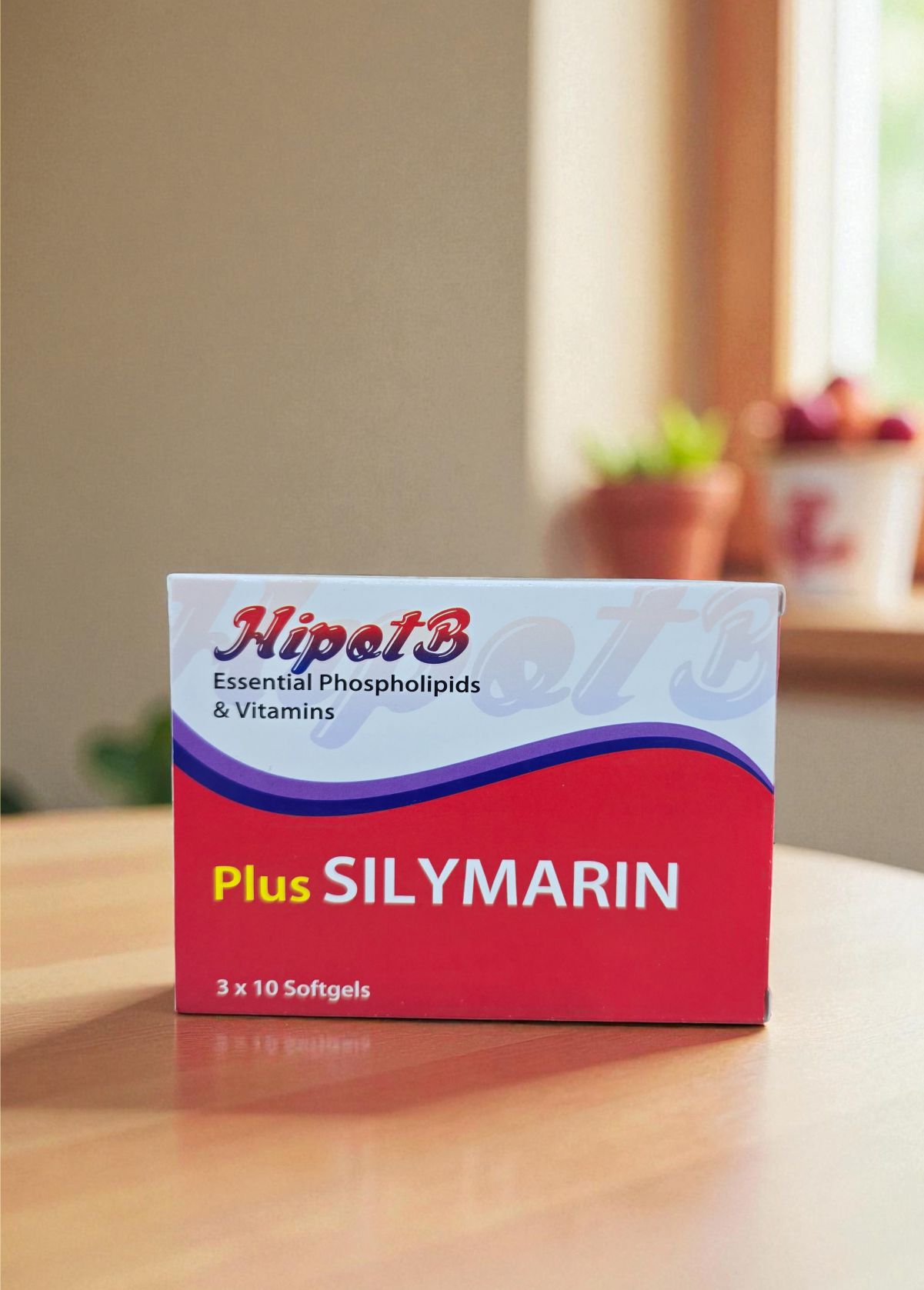
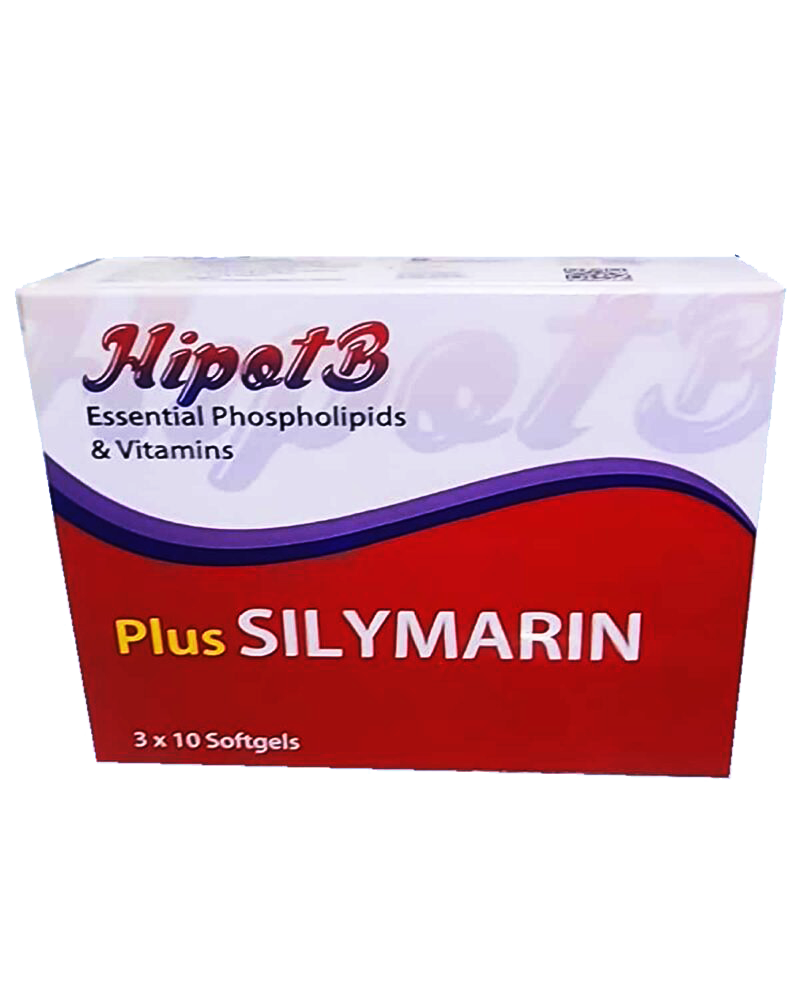
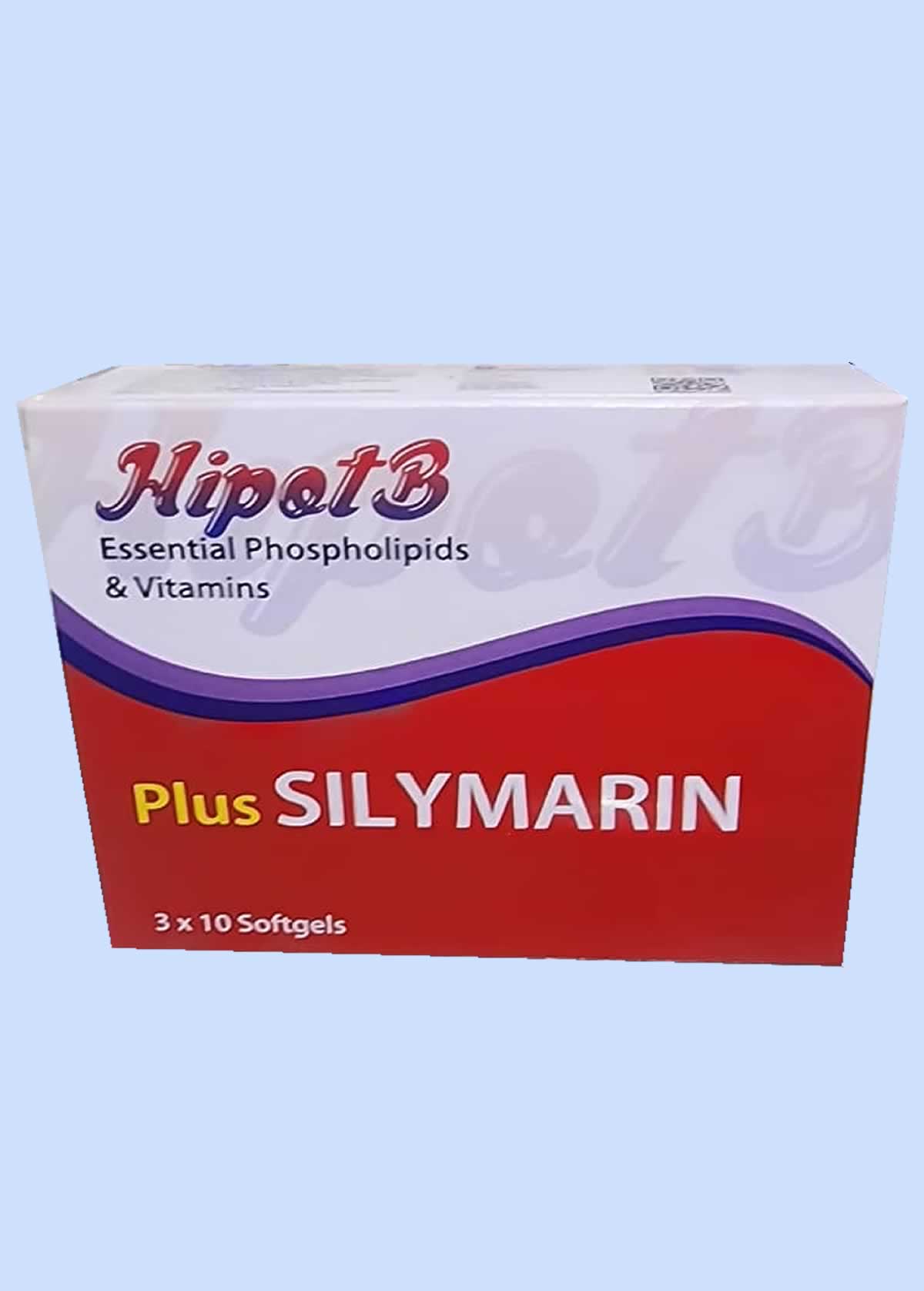
HipotB is a herbal formula packed with 2 natural compounds with well-documented and powerful hepatoprotective properties – essential phospholipids (polyunsaturated phosphatidylcholine) and silymarin. HipotB also contains multivitamins that help promote liver health and overall well-being. For its potency and efficacy in protecting the liver, HipotB has earned the name the Defender of the liver.
In Stock
HipotB
Essential phospholipids (polyunsaturated phosphatidylcholine) 300 mg + silymarin 140 mg + multivitamins.
HipotB is a herbal formula packed with 2 natural compounds with well-documented and powerful hepatoprotective properties – essential phospholipids (polyunsaturated phosphatidylcholine) and silymarin. As a result, HipotB gives your patients unrivalled hepatoprotection (compared to its competitors which contains just either one of the 2 compounds). HipotB also contains multivitamins that help promote liver health and overall well-being. For its potency and efficacy in protecting the liver, HipotB has earned the name the Defender of the liver.
Composition
Each soft gelatin capsule contains:
| Ingredients | Concentration |
| Essential phospholipids (polyunsaturated phosphatidylcholine) | 300 mg |
| Silymarin | 140 mg |
| Vitamin B1 | 10 mg |
| Vitamin B2 | 6 mg |
| Vitamin B6 | 10 mg |
| Vitamin B12 | 10 mg |
| Nicotinamide | 10 mg |
| Vitamin E acetate | 10 mg |
Essential phospholipids (polyunsaturated phosphatidylcholine)
Key benefits
Pharmacodynamics
EPL has the ability to get incorporated into damaged sections of hepatocytes cell membranes and produce the following evidence-based effects:
Silymarin
Silymarin is a natural compound that is extracted from the the dried seeds and fruits of Milk thistle (scientific name = Silybum marianum). It is composed of a mixture of four isomeric flavonolignans: silibinin (the most prevalent and biologically active component), isosilibinin, silydianin and silychristin. These compounds are known to be antioxidants in addition to having several other biologic properties.
Key benefits
Pharmacodynamics
Multivitamins
B-vitamins are water soluble vitamins which are naturally present in some foods, added to some food products, and available as a dietary supplement.
Vitamin E refers to a group of structurally related, fat-soluble, plant-derived compounds with distinctive antioxidant properties. Vitamin E acetate is a specific form of vitamin E.
Key benefits
Taking multivitamin supplements can prevent or reverse the nutritional deficiencies that often develop in people with liver disease.
Vitamin E is widely recognised as a potent chain-breaking antioxidant with hepatoprotective activity demonstrated in both animal and human studies.
Indications
Dosage
Adults and children over 12 years: one soft gel 2 to 3 times a day with main meal or as directed by the physician.
One important finding observed in most of the clinical studies reviewed was that the benefits of HipotB may reduce once treatment is stopped. So healthcare providers should consider uninterrupted maintenance therapy to avoid relapse.
Adverse reactions
HipotB is generally very well tolerated, with a low incidence of adverse events and no treatment-related serious adverse effects.
Reviews
There are no reviews yet.